


Recent Additions
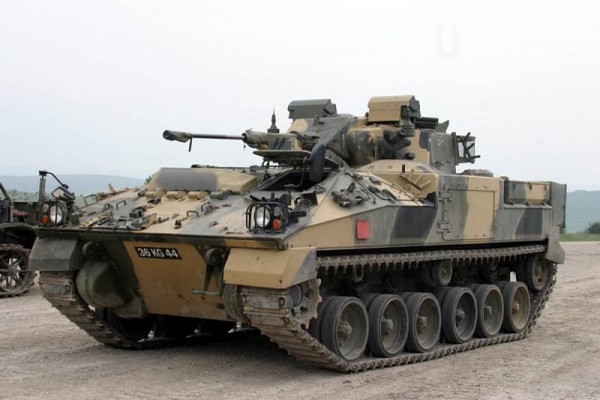
Warrior
The Warrior is a late Cold War era mechanized infantry combat vehicle of UK origin. It was developed in early 1980's to complement the FV432, which was becoming old, lacked firepower and provided limited protection. The Warrior was used with success during conflicts in Iraq and Afghanistan.
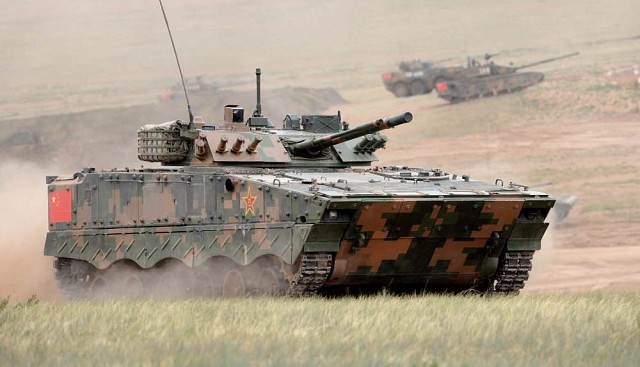
ZBD04A
The ZBD04A is a modern mechanized infantry combat vehicle of Chinese origin. The ZBD04A is the successor of the ZBD04 and trades in its amphibious capability for an increased protection level. Some sources use the name ZBD08 for this vehicle, but apparently that designation is not used by the PLA.
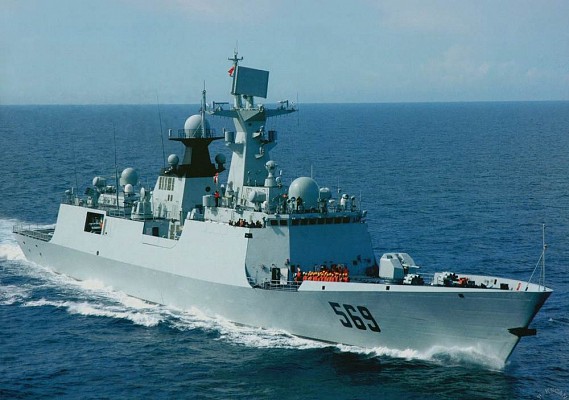
Type-054A class
The Type-054A is a modern class of frigates of Chinese origin. These multipurpose frigates are a further development of the Type-054 class. The same hull is used, but weapons and sensors are significantly improved. The Type-054A is the most numerous class of surface combattant in the Chinese navy. Although 20 were planned at first, this number was increased to 30.
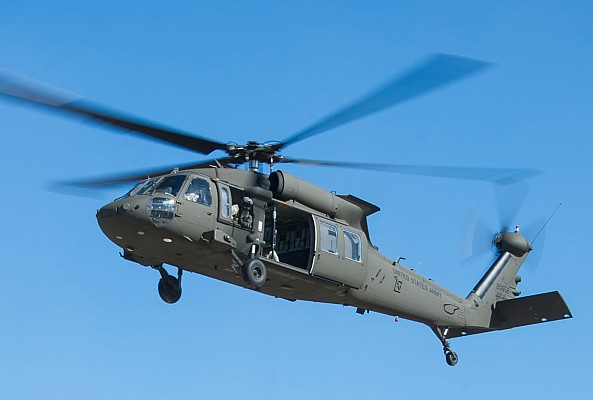
Sikorsky UH-60 Black Hawk
The UH-60 Black Hawk is a late Cold War era transport helicopter of US origin. The UH-60 was developed by Sikorsky to meet a US Army requirement to replace the UH-1. The UH-60 was the first S-70 / Black Hawk series of helicopters to enter service. This article describes the baseline medium transport helicopter.
THE WORLD'S MOST COMPLETE WEAPON DATABASE
WeaponSystems.net provides a full and complete overview of world wide used weapons. This website provides weapon systems sorted by country inventory.